2025-07-14T00:00:00.000Z
Best Practices for Managing Large Tracts of Forested Land
A practical playbook of eight best practices that separate well-run forested tracts from those that quietly lose value, covering management plans, thinning schedules, prescribed fire, road maintenance, tax programs, and risk planning.

Best Practices for Managing Large Tracts of Forested Land: A Curated Playbook
Owning a thousand acres of pine in Johnston County or a diversified hardwood tract along the Virginia border is not the same problem as owning a suburban lot with trees on it. Scale changes everything: cash flow, tax exposure, wildfire risk, road maintenance, wildlife dynamics, and buyer leverage when it comes time to sell timber. The best practices below are the ones that consistently separate well-run tracts from the ones that quietly lose value year after year. Treat this as a working list, not a lecture.
1. Start with a written forest management plan
A management plan is the single highest-leverage document a large landowner can produce. It maps stand boundaries, inventories species and age classes, sets objectives (income, habitat, recreation, legacy), and schedules the silvicultural work needed to reach them over 10 to 20 years.
Who it is for: Any owner over roughly 100 acres, and mandatory in practice for anyone pursuing North Carolina's Present Use Value tax program.
Verdict: Non-negotiable. Everything downstream (harvest timing, burn windows, road budgets) gets easier once this exists. Timberline's forest management team writes these plans and, more importantly, executes them.
2. Get an accurate timber cruise before you make any big decision
A cruise is a statistical inventory of standing timber: volume by species, product class (sawtimber, chip-n-saw, pulpwood), and stand. Without one, you are negotiating blind.
Who it is for: Owners considering a sale, a refinance, an estate transfer, or a major thinning.
Verdict: Do not skip this. A cruise costs a fraction of what an uninformed sale can cost you. See Timberline's breakdown of what drives standing timber value in NC.
3. Thin on schedule, do not wait for a "good year"
Pine plantations typically need a first thinning around age 14 to 18 and a second around age 22 to 25. Delaying past the biological window costs growth on your best crop trees and increases beetle and windthrow risk. Hardwood stands follow different rules but the principle holds: crown release matters.
Who it is for: Plantation owners and mixed-stand managers alike.
Verdict: Follow the stand, not the market. A well-timed thinning at a mediocre price beats a delayed thinning at a great price. If you are weighing when to pull the trigger, our strategic harvesting guide lays out the tradeoffs.
4. Use prescribed fire where the site calls for it
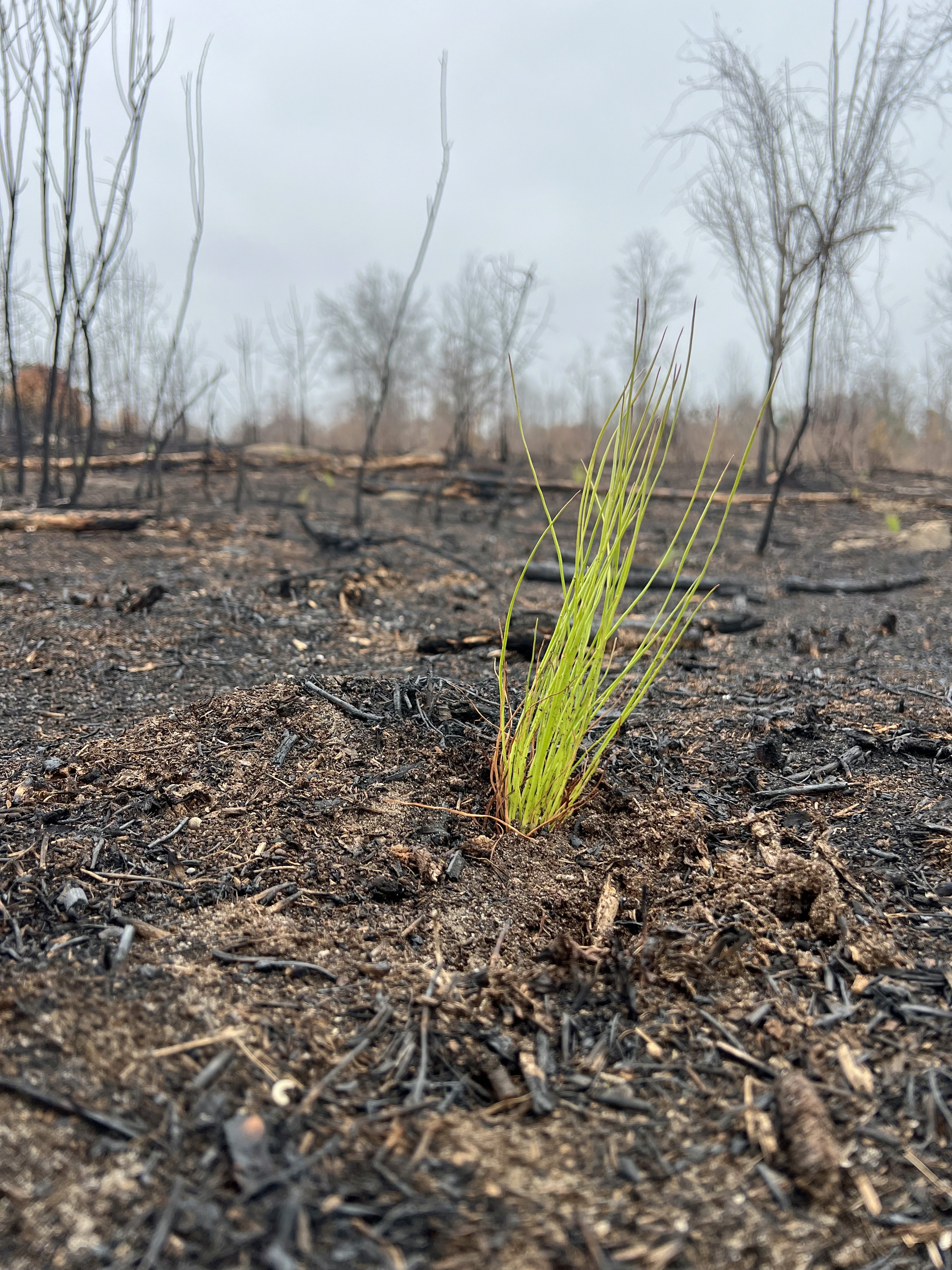
In longleaf, loblolly, and many upland hardwood systems across the Carolinas and Georgia, fire is not optional maintenance, it is the ecological engine. A two to three year burn rotation reduces fuel loads, controls hardwood competition in pine stands, improves quail and turkey habitat, and dramatically lowers catastrophic wildfire risk.
Who it is for: Southeastern pine owners, quail plantations, and anyone with heavy understory fuel.
Verdict: The single most under-used tool on private timberland. It requires trained crews, written burn plans, and the right weather window.
5. Invest in roads, gates, and boundary lines
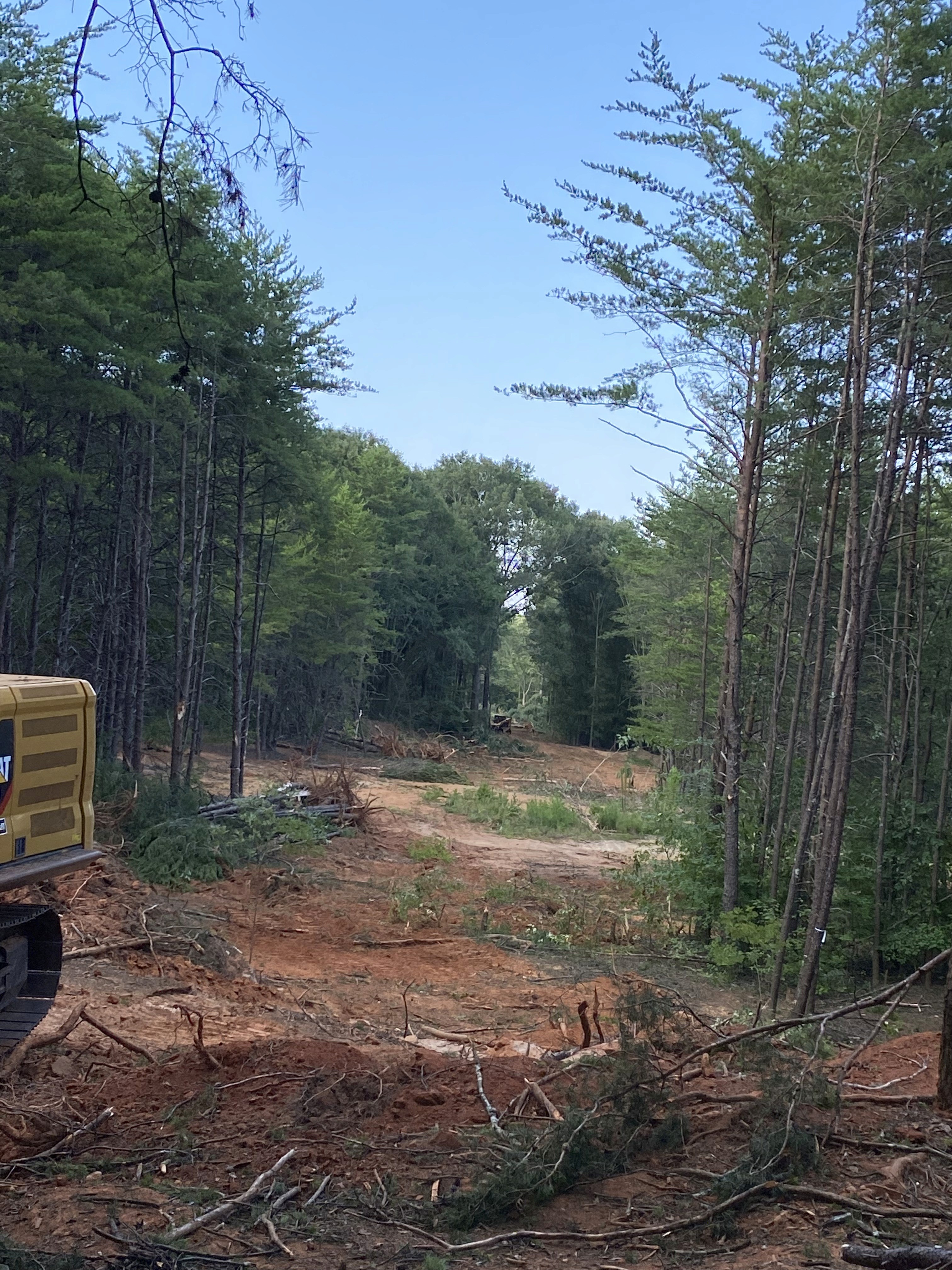
Access is value. A tract with a maintained internal road system, well-marked boundaries, and gated entry points sells for more, harvests cleaner, and is far easier to insure and patrol. Repaint boundary lines on a five to seven year cycle. Crown and ditch main roads before, not after, a wet harvest.
Verdict: Boring, cheap, and consistently underfunded on inherited tracts.
6. Enroll qualifying acreage in Present Use Value
North Carolina's PUV program can cut property tax bills on qualifying forestland by 60 to 90 percent, but it demands an active management plan and periodic verification. Timberline's definitive guide to the PUV program walks through the eligibility rules and the deferred-tax exposure most owners underestimate.
Verdict: If you qualify and are not enrolled, you are leaving five figures a year on the table on a mid-sized tract.
7. Build a risk plan, not just a growth plan
Large tracts face real downside: fire, southern pine beetle, hurricane blowdown, timber theft, trespass liability, and shifting mill demand. A working risk mitigation framework covers insurance, salvage protocols, and diversified buyer relationships so a single bad event does not erase a decade of growth.
Verdict: Owners who plan for the bad year keep more of the good ones.
8. Work with a single, integrated partner instead of stitching vendors together
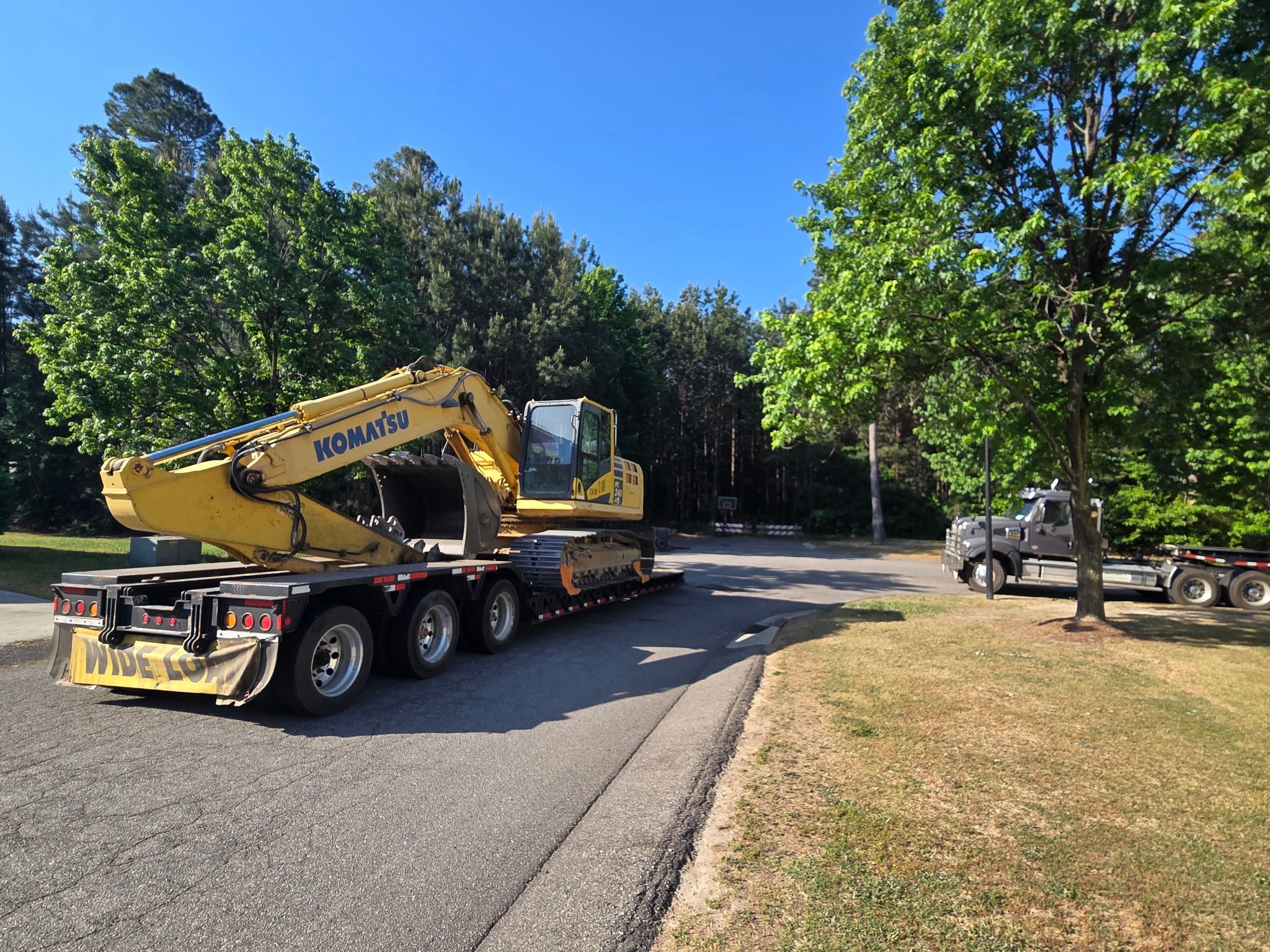
Large tracts generate a chain of tasks: cruise, plan, thin, burn, replant, road work, eventual final harvest, and hauling. Coordinating five vendors across those steps is where schedules slip and money leaks. A single crew and fleet that can plan, cut, and haul in-house removes the seams.
Verdict: For anything over a few hundred acres, integration pays for itself in fewer mobilizations and cleaner sites.
A practical next step
If you have inherited or acquired significant acreage in North Carolina, Virginia, South Carolina, or Georgia and are not sure where to start, a walk-through and a cruise will tell you more in a week than a year of guessing. That is the conversation Timberline has most weeks with new landowners.
Best Practices for Managing Large Tracts of Forested Land: A Curated Playbook
Owning a thousand acres of pine in Johnston County or a diversified hardwood tract along the Virginia border is not the same problem as owning a suburban lot with trees on it. Scale changes everything: cash flow, tax exposure, wildfire risk, road maintenance, wildlife dynamics, and buyer leverage when it comes time to sell timber. The best practices below are the ones that consistently separate well-run tracts from the ones that quietly lose value year after year. Treat this as a working list, not a lecture.
1. Start with a written forest management plan
A management plan is the single highest-leverage document a large landowner can produce. It maps stand boundaries, inventories species and age classes, sets objectives (income, habitat, recreation, legacy), and schedules the silvicultural work needed to reach them over 10 to 20 years.
Who it is for: Any owner over roughly 100 acres, and mandatory in practice for anyone pursuing North Carolina's Present Use Value tax program.
Verdict: Non-negotiable. Everything downstream (harvest timing, burn windows, road budgets) gets easier once this exists. Timberline's forest management team writes these plans and, more importantly, executes them.
2. Get an accurate timber cruise before you make any big decision
A cruise is a statistical inventory of standing timber: volume by species, product class (sawtimber, chip-n-saw, pulpwood), and stand. Without one, you are negotiating blind.
Who it is for: Owners considering a sale, a refinance, an estate transfer, or a major thinning.
Verdict: Do not skip this. A cruise costs a fraction of what an uninformed sale can cost you. See Timberline's breakdown of what drives standing timber value in NC.
3. Thin on schedule, do not wait for a "good year"
Pine plantations typically need a first thinning around age 14 to 18 and a second around age 22 to 25. Delaying past the biological window costs growth on your best crop trees and increases beetle and windthrow risk. Hardwood stands follow different rules but the principle holds: crown release matters.
Who it is for: Plantation owners and mixed-stand managers alike.
Verdict: Follow the stand, not the market. A well-timed thinning at a mediocre price beats a delayed thinning at a great price. If you are weighing when to pull the trigger, our strategic harvesting guide lays out the tradeoffs.
4. Use prescribed fire where the site calls for it
In longleaf, loblolly, and many upland hardwood systems across the Carolinas and Georgia, fire is not optional maintenance, it is the ecological engine. A two to three year burn rotation reduces fuel loads, controls hardwood competition in pine stands, improves quail and turkey habitat, and dramatically lowers catastrophic wildfire risk.
Who it is for: Southeastern pine owners, quail plantations, and anyone with heavy understory fuel.
Verdict: The single most under-used tool on private timberland. It requires trained crews, written burn plans, and the right weather window.
5. Invest in roads, gates, and boundary lines
Access is value. A tract with a maintained internal road system, well-marked boundaries, and gated entry points sells for more, harvests cleaner, and is far easier to insure and patrol. Repaint boundary lines on a five to seven year cycle. Crown and ditch main roads before, not after, a wet harvest.
Verdict: Boring, cheap, and consistently underfunded on inherited tracts.
6. Enroll qualifying acreage in Present Use Value
North Carolina's PUV program can cut property tax bills on qualifying forestland by 60 to 90 percent, but it demands an active management plan and periodic verification. Timberline's definitive guide to the PUV program walks through the eligibility rules and the deferred-tax exposure most owners underestimate.
Verdict: If you qualify and are not enrolled, you are leaving five figures a year on the table on a mid-sized tract.
7. Build a risk plan, not just a growth plan
Large tracts face real downside: fire, southern pine beetle, hurricane blowdown, timber theft, trespass liability, and shifting mill demand. A working risk mitigation framework covers insurance, salvage protocols, and diversified buyer relationships so a single bad event does not erase a decade of growth.
Verdict: Owners who plan for the bad year keep more of the good ones.
8. Work with a single, integrated partner instead of stitching vendors together
Large tracts generate a chain of tasks: cruise, plan, thin, burn, replant, road work, eventual final harvest, and hauling. Coordinating five vendors across those steps is where schedules slip and money leaks. A single crew and fleet that can plan, cut, and haul in-house removes the seams.
Verdict: For anything over a few hundred acres, integration pays for itself in fewer mobilizations and cleaner sites.
A practical next step
If you have inherited or acquired significant acreage in North Carolina, Virginia, South Carolina, or Georgia and are not sure where to start, a walk-through and a cruise will tell you more in a week than a year of guessing. That is the conversation Timberline has most weeks with new landowners.