2025-07-14T00:00:00.000Z
Forest Management Mistakes That Are Quietly Costing Landowners Money
A practical guide from Timberline Forestry on the silent money drains that affect timberland owners in NC, VA, SC, and GA, with actionable fixes for each mistake.
Most timberland in the Southeast does not lose value in dramatic ways. It bleeds value slowly, through decisions that felt reasonable at the time. After working across thousands of acres in North Carolina, Virginia, South Carolina, and Georgia, our crews see the same costly mistakes show up again and again, on tracts owned by first-generation landowners and seasoned investors alike. Here are the ones that cost the most, why they happen, and how to stop them.
Mistake 1: Selling timber without a written management plan
This is the single most expensive habit we see. A landowner gets a knock on the door, a number on a napkin, and a chainsaw in the woods three weeks later. No cruise, no inventory, no idea what the next rotation looks like.
Why it happens: A standing offer feels like found money, and the buyer sets the pace.
The fix: Get a written forest management plan before you sell a single stick. A real plan documents species mix, stand age, basal area, and the silvicultural prescription for each stand. It tells you whether this year's harvest should be a first thinning, a second thinning, or a regeneration cut, and it gives you a defensible price floor. Forest management planning is the cheapest insurance in this business.
Mistake 2: Skipping the timber cruise before negotiation
Selling timber without a cruise is selling a house without knowing the square footage. We have seen tracts marketed at lump-sum numbers that left tens of thousands of dollars on the stump because no one measured the sawtimber-to-pulpwood ratio.
Why it happens: Cruises feel like an expense rather than a multiplier.
The fix: Know your volumes by product class before you talk price. Pulpwood, chip-n-saw, and sawtimber move in different markets with different mill demand. A cruise puts numbers on each, and it changes the conversation from "what will you pay" to "here is what I have." For a deeper look at what drives the number, see our breakdown of how much standing timber is worth in NC.
Mistake 3: Deferring thinning past the biological window
Loblolly pine plantations in our region typically need their first thinning between ages 12 and 16. Wait until 20, and you have stagnant growth, smaller crowns, and stands more vulnerable to southern pine beetle. The trees you wanted to grow into sawtimber instead get crowded into pulpwood.
The fix: Treat the thinning window as a hard deadline. The pulpwood revenue is a bonus; the real return is what the residual stand puts on in the following decade.
Mistake 4: Ignoring Present Use Value enrollment
In North Carolina, landowners with qualifying acreage who skip the Present Use Value program pay full-market property tax on land assessed for its development potential rather than its forestry use. Over a 25-year rotation, that gap is enormous. We cover this in detail in our definitive guide to North Carolina's PUV program for timberland portfolios.
The fix: If you own 20 or more contiguous acres in forest use, talk to your county assessor and a forester. The savings are recurring, not one-time.
Mistake 5: Hiring a logger and a hauler and a site-prep crew separately
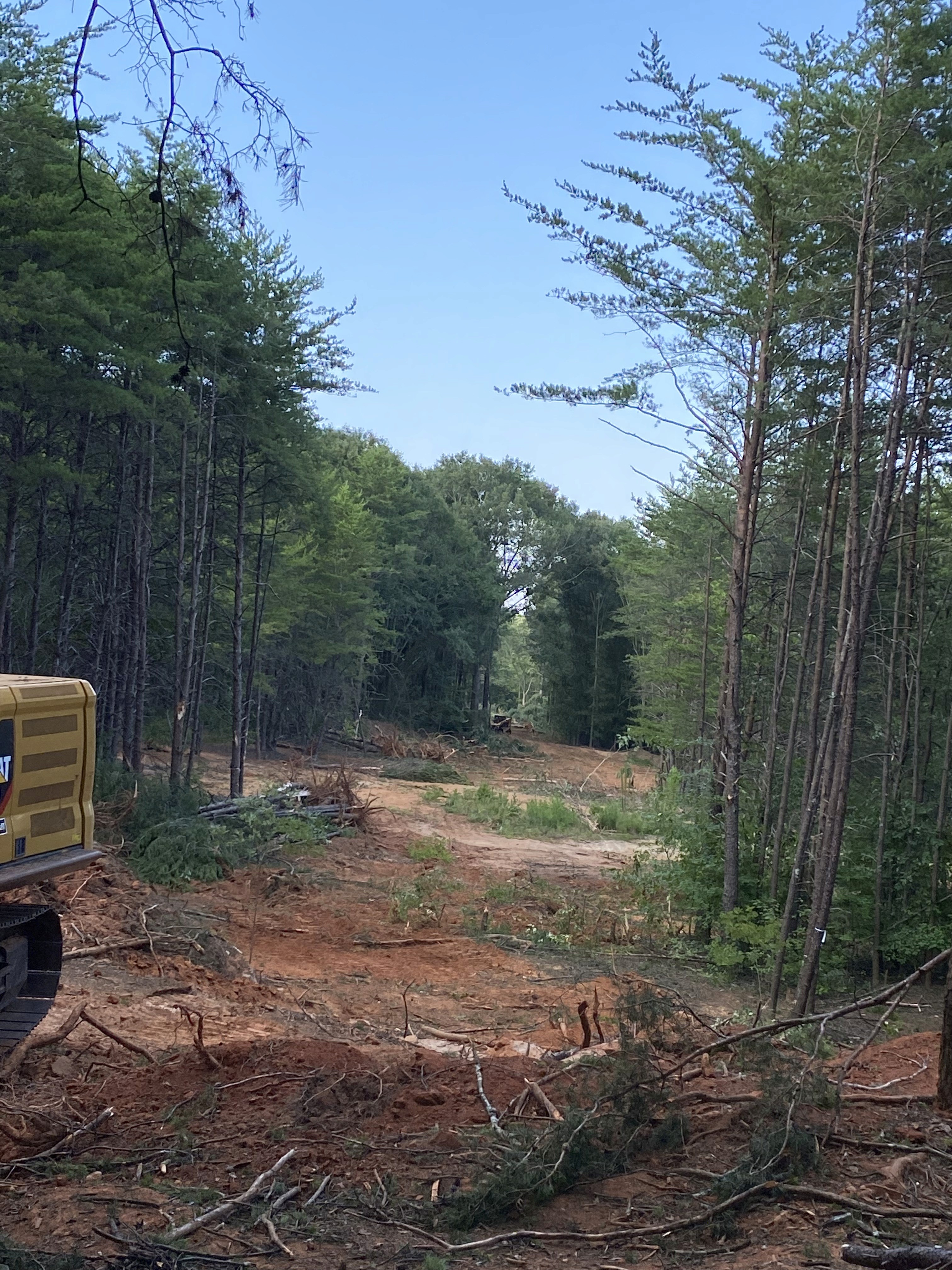
Coordination failures cost real money. A logger finishes ahead of schedule and the site-prep crew is not staged. Rain hits, ruts form, and erosion and sediment control becomes a regulatory problem. The hauler shows up to a road that needs work no one budgeted for.
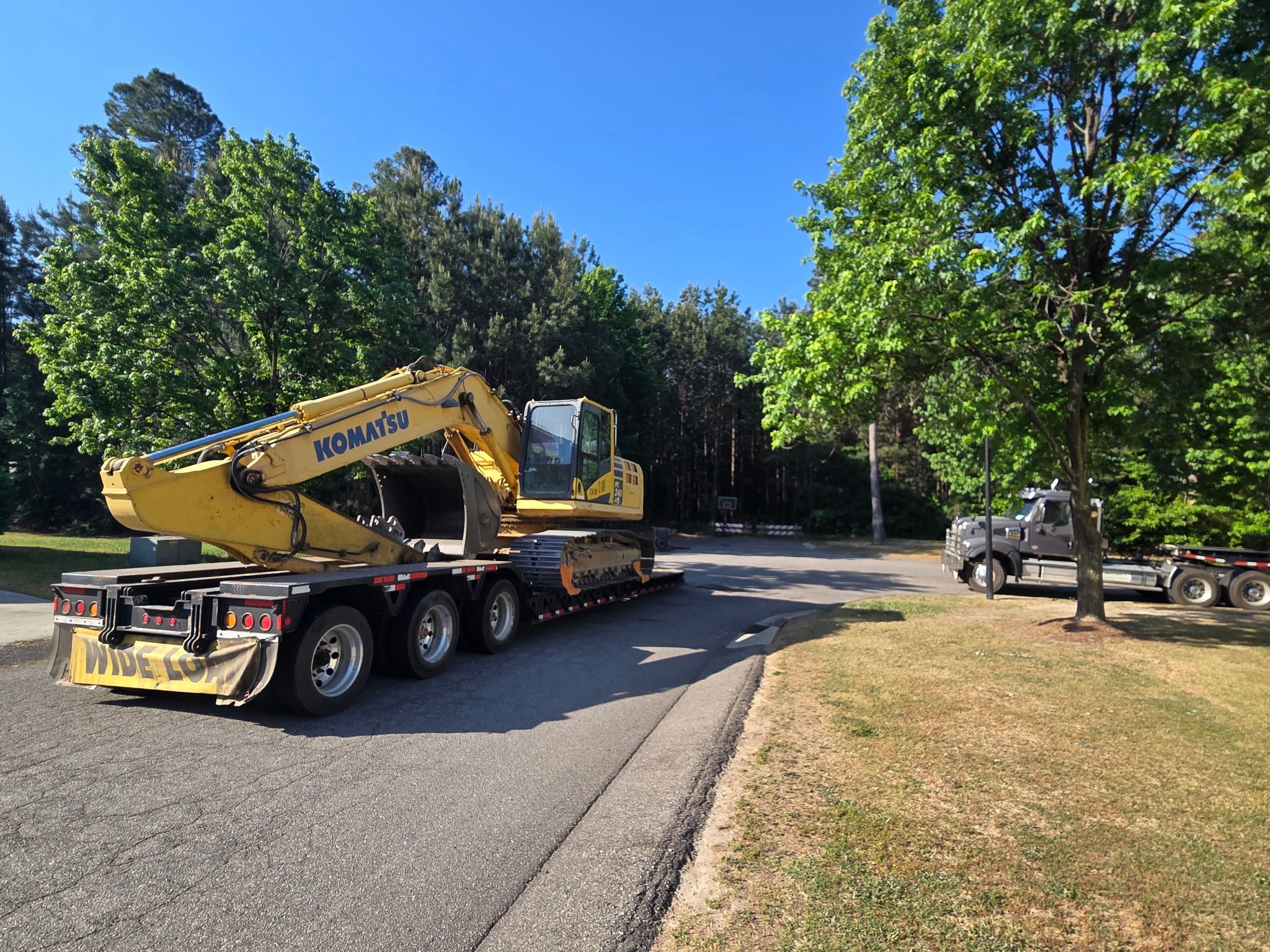
The fix: Use a single-source partner that owns the iron and runs the crews. We wrote about why the single-partner model matters because we see the cost of fragmented contracting on nearly every salvage job we are called into.
Mistake 6: Treating reforestation as optional
A clearcut without a reforestation plan is a depreciating asset. Hardwood sprout competition takes over within two seasons, and the cost to reset that stand climbs every year you wait.
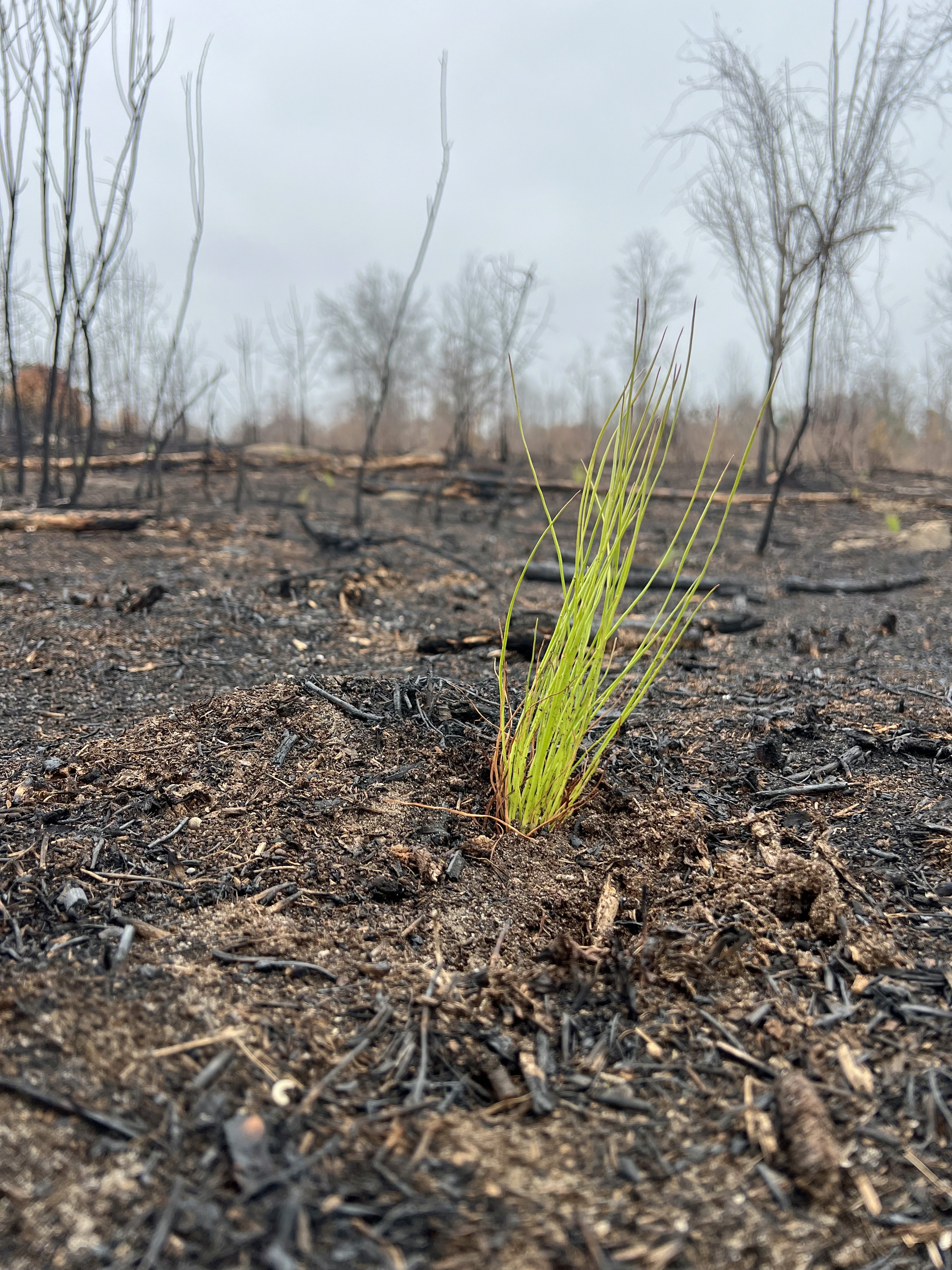
The fix: Site-prep burning, herbicide release, and planting should be scheduled before the last log truck leaves. Build it into the harvest contract.
Mistake 7: No documented risk plan for fire, pests, or storms
Hurricanes, ice storms, and southern pine beetle hot spots are not rare events in the Southeast. Landowners who have not thought through salvage logistics or insurance coverage lose the most when something hits. A practical starting point is our risk mitigation framework for Southeast land assets.
Where to go from here
If any of these mistakes sound familiar, the next step is a conversation, not a contract. Our team is happy to walk a tract, review an existing plan, or run a cruise so you know what you actually own before you make the next decision. Reach out when you are ready.
Most timberland in the Southeast does not lose value in dramatic ways. It bleeds value slowly, through decisions that felt reasonable at the time. After working across thousands of acres in North Carolina, Virginia, South Carolina, and Georgia, our crews see the same costly mistakes show up again and again, on tracts owned by first-generation landowners and seasoned investors alike. Here are the ones that cost the most, why they happen, and how to stop them.
Mistake 1: Selling timber without a written management plan
This is the single most expensive habit we see. A landowner gets a knock on the door, a number on a napkin, and a chainsaw in the woods three weeks later. No cruise, no inventory, no idea what the next rotation looks like.
Why it happens: A standing offer feels like found money, and the buyer sets the pace.
The fix: Get a written forest management plan before you sell a single stick. A real plan documents species mix, stand age, basal area, and the silvicultural prescription for each stand. It tells you whether this year's harvest should be a first thinning, a second thinning, or a regeneration cut, and it gives you a defensible price floor. Forest management planning is the cheapest insurance in this business.
Mistake 2: Skipping the timber cruise before negotiation
Selling timber without a cruise is selling a house without knowing the square footage. We have seen tracts marketed at lump-sum numbers that left tens of thousands of dollars on the stump because no one measured the sawtimber-to-pulpwood ratio.
Why it happens: Cruises feel like an expense rather than a multiplier.
The fix: Know your volumes by product class before you talk price. Pulpwood, chip-n-saw, and sawtimber move in different markets with different mill demand. A cruise puts numbers on each, and it changes the conversation from "what will you pay" to "here is what I have." For a deeper look at what drives the number, see our breakdown of how much standing timber is worth in NC.
Mistake 3: Deferring thinning past the biological window
Loblolly pine plantations in our region typically need their first thinning between ages 12 and 16. Wait until 20, and you have stagnant growth, smaller crowns, and stands more vulnerable to southern pine beetle. The trees you wanted to grow into sawtimber instead get crowded into pulpwood.
The fix: Treat the thinning window as a hard deadline. The pulpwood revenue is a bonus; the real return is what the residual stand puts on in the following decade.
Mistake 4: Ignoring Present Use Value enrollment
In North Carolina, landowners with qualifying acreage who skip the Present Use Value program pay full-market property tax on land assessed for its development potential rather than its forestry use. Over a 25-year rotation, that gap is enormous. We cover this in detail in our definitive guide to North Carolina's PUV program for timberland portfolios.
The fix: If you own 20 or more contiguous acres in forest use, talk to your county assessor and a forester. The savings are recurring, not one-time.
Mistake 5: Hiring a logger and a hauler and a site-prep crew separately
Coordination failures cost real money. A logger finishes ahead of schedule and the site-prep crew is not staged. Rain hits, ruts form, and erosion and sediment control becomes a regulatory problem. The hauler shows up to a road that needs work no one budgeted for.
The fix: Use a single-source partner that owns the iron and runs the crews. We wrote about why the single-partner model matters because we see the cost of fragmented contracting on nearly every salvage job we are called into.
Mistake 6: Treating reforestation as optional
A clearcut without a reforestation plan is a depreciating asset. Hardwood sprout competition takes over within two seasons, and the cost to reset that stand climbs every year you wait.
The fix: Site-prep burning, herbicide release, and planting should be scheduled before the last log truck leaves. Build it into the harvest contract.
Mistake 7: No documented risk plan for fire, pests, or storms
Hurricanes, ice storms, and southern pine beetle hot spots are not rare events in the Southeast. Landowners who have not thought through salvage logistics or insurance coverage lose the most when something hits. A practical starting point is our risk mitigation framework for Southeast land assets.
Where to go from here
If any of these mistakes sound familiar, the next step is a conversation, not a contract. Our team is happy to walk a tract, review an existing plan, or run a cruise so you know what you actually own before you make the next decision. Reach out when you are ready.