2025-07-14T00:00:00.000Z
The 7 Costly Mistakes Landowners Make When Harvesting or Selling Timber
Most landowners sell timber once or twice in a lifetime. The buyer across the table does it every week. Here are the seven mistakes that cost landowners the most, and how to avoid them.

The 7 Costly Mistakes Landowners Make When Harvesting or Selling Timber
Most landowners only sell timber once or twice in their lifetime. The buyer on the other side of the table does it every week. That imbalance is where money quietly disappears, sometimes tens of thousands of dollars per tract. Below are the seven mistakes we see most often across North Carolina, Virginia, South Carolina, and Georgia, and the practical fix for each.
1. Selling on a handshake without a written contract
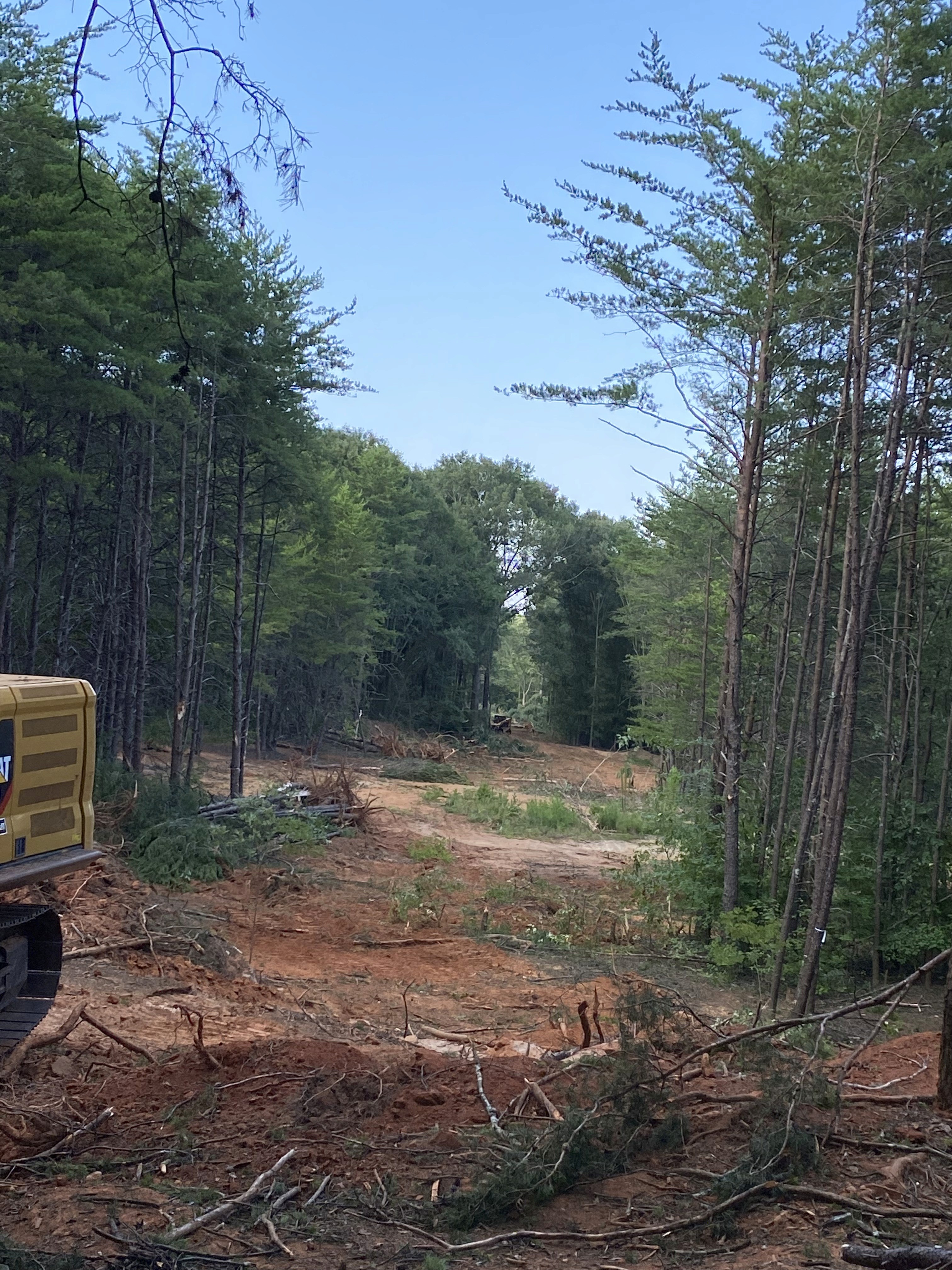
A verbal agreement leaves you exposed on price, payment, boundaries, road repair, and cleanup. We have walked properties where a previous logger left ruts deep enough to swallow a four-wheeler and the landowner had no contractual standing to demand repair.
The fix: Require a written contract that specifies the sale method (lump sum or pay-as-cut), product prices by species and grade, payment schedule, harvest boundaries, BMP compliance, road and gate conditions, and a completion date. Get it before a single tree is marked. Our walkthrough of what to expect when you sell your timber covers what should be on that page.
2. Skipping a timber cruise and accepting the first offer
The first offer is almost never the best one, and without an inventory you have no way to know. We have seen tracts where the opening bid came in 30 to 40 percent below fair market value simply because the landowner had no independent volume estimate.
The fix: Have the stand cruised so you know merchantable volume by product (pine sawtimber, chip-n-saw, pulpwood, hardwood sawtimber, hardwood pulp). Then solicit competitive bids against that inventory. Our forestry management team handles cruising as a routine first step.
3. Harvesting at the wrong time in the stand's life
Cutting a pine plantation at age 18 when another five years would have shifted a meaningful share of the volume from pulpwood into chip-n-saw or sawtimber is one of the most expensive mistakes in Southeastern forestry. Per-ton prices for sawtimber routinely run two to three times pulpwood.
The fix: Tie the harvest decision to stand data, not a calendar or a cash need you could have planned around. A thinning at 14 to 16 years followed by a final harvest in the mid-20s typically outperforms a single early clearcut. Our strategic harvesting guide walks through the math.
4. Misreading the market and selling into a soft mill
Local mill demand swings. A pulp mill closure or a sawmill running reduced shifts can knock dollars per ton off your stumpage overnight, while a strong export market or post-storm salvage demand can lift it. Selling without checking current delivered prices and haul distances to active mills leaves money behind.
The fix: Work with a buyer who tracks delivered prices weekly and knows which mills are taking what. As a direct buyer, Timberline quotes against live market conditions rather than a stale rate sheet. How much is my standing timber worth covers the pricing factors in detail.
5. Hiring the wrong contractor
The cheapest logger is rarely the cheapest outcome. Inadequate insurance, undersized equipment for the terrain, and weak BMP practice can leave you with erosion violations, damaged neighboring stands, and a site that is unplantable without expensive rehab.
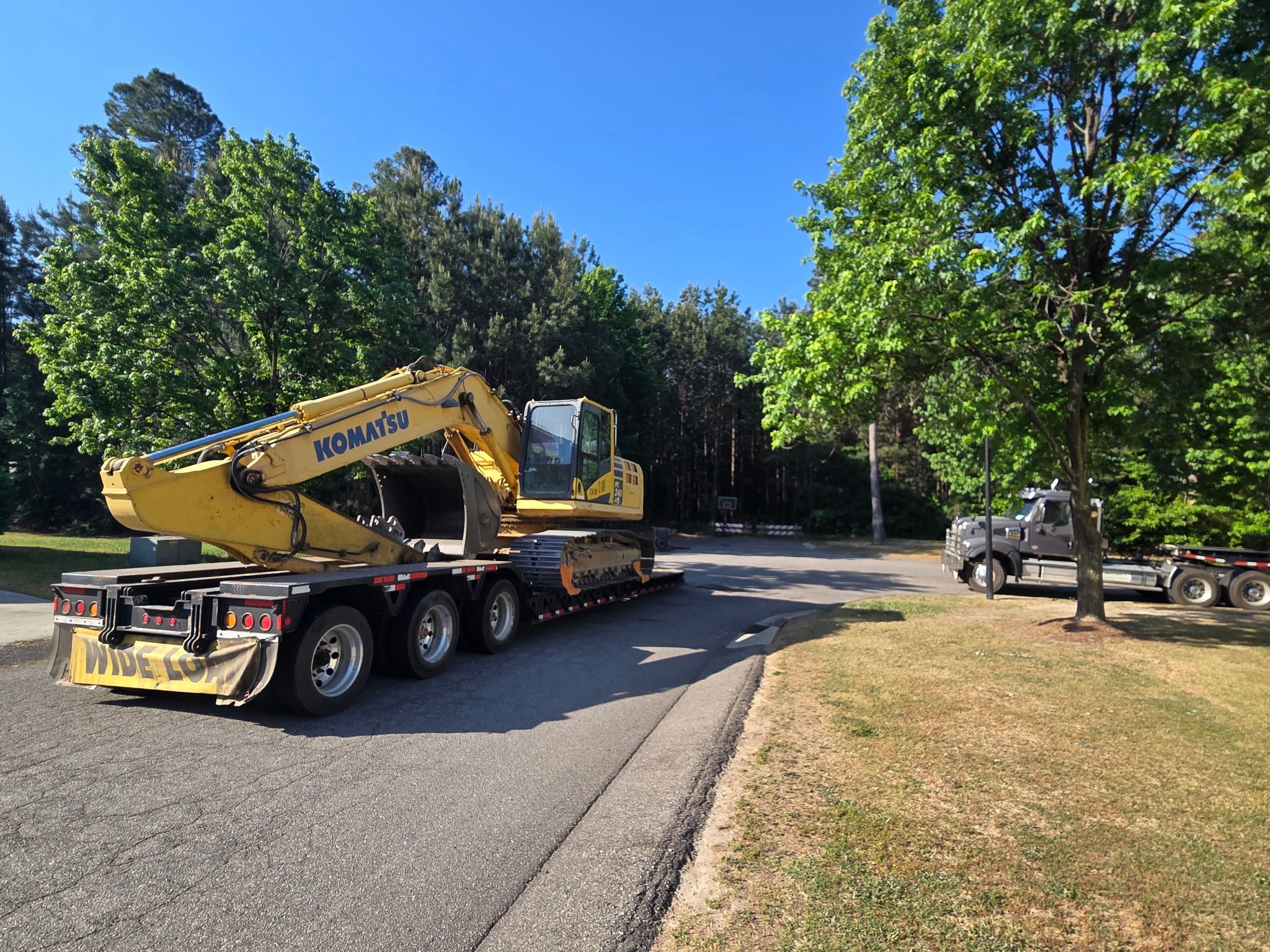
The fix: Verify general liability and workers' comp coverage, ask for references on tracts of similar size and terrain, and look at recent jobs in person. Equipment matters too. Wet-weather tracts need a crew with shovel loggers or matted access, not whatever showed up. The single-partner model exists for exactly this reason: one accountable crew from cruise through cleanup.
6. Ignoring the post-harvest plan
A harvest is not the end of the project. Site prep, replanting, firebreaks, and road restoration determine whether the next rotation starts strong or stalls for three years fighting competition.
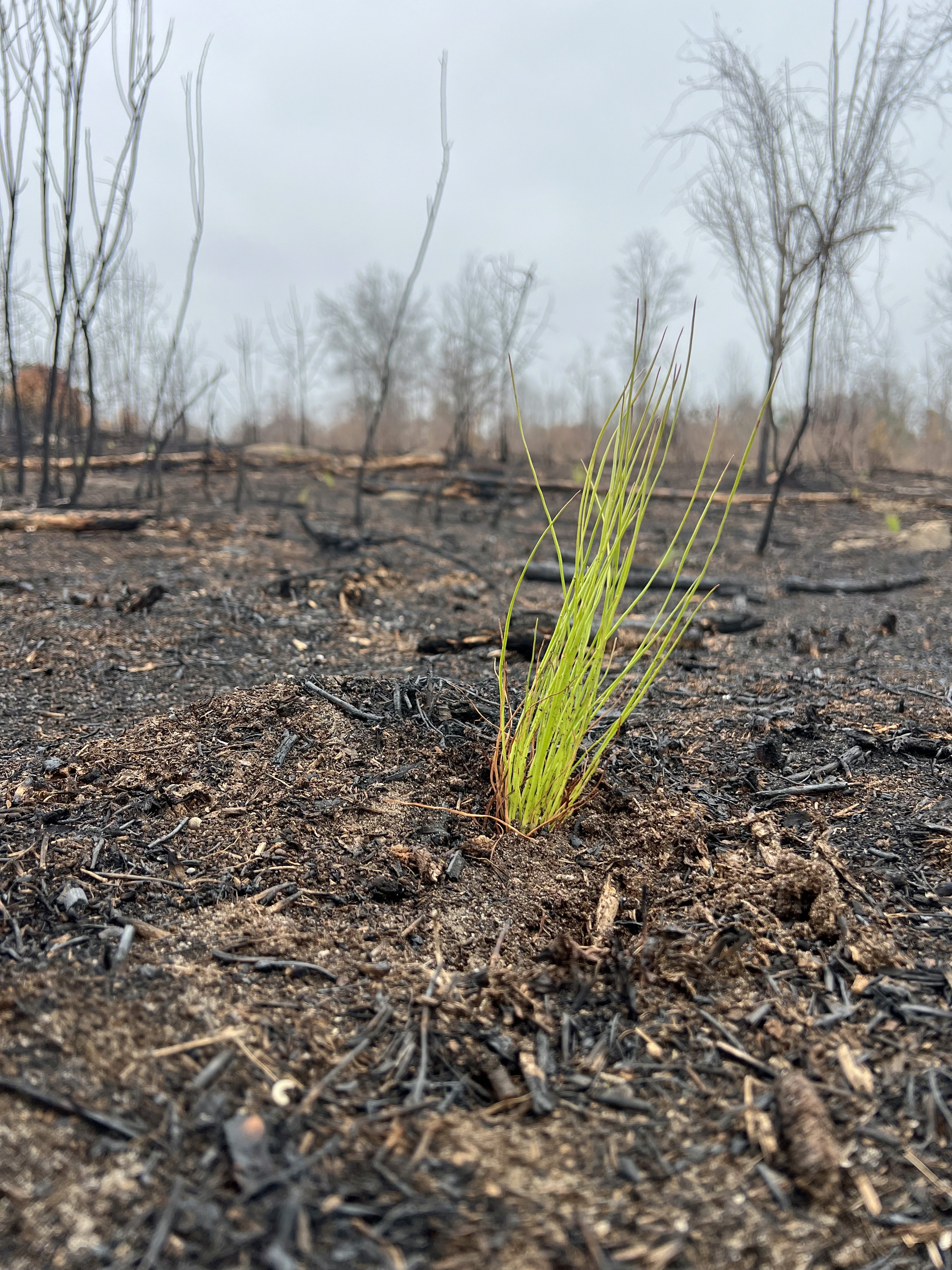
The fix: Decide before the harvest begins what the next stand looks like, who will do the site prep and burn, and when seedlings get ordered. Bundling harvest with site prep and prescribed burning under one integrated services partner removes the gap where projects usually stall.
7. Overlooking taxes and Present Use Value
Treating timber income as ordinary income rather than long-term capital gain, or failing to keep the tract enrolled in North Carolina's Present Use Value program, can erase a real share of the proceeds.
The fix: Talk to a CPA familiar with timber before you close the sale, and confirm your PUV status will survive the harvest plan. Our definitive guide to North Carolina's Present Use Value program is the starting point.
The thread running through all seven
Every mistake on this list comes from making a one-time decision with one-time information. The landowners who do best treat a timber sale like the six-figure transaction it usually is: inventory first, contract second, contractor vetted, next rotation already planned. If you want a second set of eyes on a tract before you sell, reach out and we will tell you what we see.
The 7 Costly Mistakes Landowners Make When Harvesting or Selling Timber
Most landowners only sell timber once or twice in their lifetime. The buyer on the other side of the table does it every week. That imbalance is where money quietly disappears, sometimes tens of thousands of dollars per tract. Below are the seven mistakes we see most often across North Carolina, Virginia, South Carolina, and Georgia, and the practical fix for each.
1. Selling on a handshake without a written contract
A verbal agreement leaves you exposed on price, payment, boundaries, road repair, and cleanup. We have walked properties where a previous logger left ruts deep enough to swallow a four-wheeler and the landowner had no contractual standing to demand repair.
The fix: Require a written contract that specifies the sale method (lump sum or pay-as-cut), product prices by species and grade, payment schedule, harvest boundaries, BMP compliance, road and gate conditions, and a completion date. Get it before a single tree is marked. Our walkthrough of what to expect when you sell your timber covers what should be on that page.
2. Skipping a timber cruise and accepting the first offer
The first offer is almost never the best one, and without an inventory you have no way to know. We have seen tracts where the opening bid came in 30 to 40 percent below fair market value simply because the landowner had no independent volume estimate.
The fix: Have the stand cruised so you know merchantable volume by product (pine sawtimber, chip-n-saw, pulpwood, hardwood sawtimber, hardwood pulp). Then solicit competitive bids against that inventory. Our forestry management team handles cruising as a routine first step.
3. Harvesting at the wrong time in the stand's life
Cutting a pine plantation at age 18 when another five years would have shifted a meaningful share of the volume from pulpwood into chip-n-saw or sawtimber is one of the most expensive mistakes in Southeastern forestry. Per-ton prices for sawtimber routinely run two to three times pulpwood.
The fix: Tie the harvest decision to stand data, not a calendar or a cash need you could have planned around. A thinning at 14 to 16 years followed by a final harvest in the mid-20s typically outperforms a single early clearcut. Our strategic harvesting guide walks through the math.
4. Misreading the market and selling into a soft mill
Local mill demand swings. A pulp mill closure or a sawmill running reduced shifts can knock dollars per ton off your stumpage overnight, while a strong export market or post-storm salvage demand can lift it. Selling without checking current delivered prices and haul distances to active mills leaves money behind.
The fix: Work with a buyer who tracks delivered prices weekly and knows which mills are taking what. As a direct buyer, Timberline quotes against live market conditions rather than a stale rate sheet. How much is my standing timber worth covers the pricing factors in detail.
5. Hiring the wrong contractor
The cheapest logger is rarely the cheapest outcome. Inadequate insurance, undersized equipment for the terrain, and weak BMP practice can leave you with erosion violations, damaged neighboring stands, and a site that is unplantable without expensive rehab.
The fix: Verify general liability and workers' comp coverage, ask for references on tracts of similar size and terrain, and look at recent jobs in person. Equipment matters too. Wet-weather tracts need a crew with shovel loggers or matted access, not whatever showed up. The single-partner model exists for exactly this reason: one accountable crew from cruise through cleanup.
6. Ignoring the post-harvest plan
A harvest is not the end of the project. Site prep, replanting, firebreaks, and road restoration determine whether the next rotation starts strong or stalls for three years fighting competition.
The fix: Decide before the harvest begins what the next stand looks like, who will do the site prep and burn, and when seedlings get ordered. Bundling harvest with site prep and prescribed burning under one integrated services partner removes the gap where projects usually stall.
7. Overlooking taxes and Present Use Value
Treating timber income as ordinary income rather than long-term capital gain, or failing to keep the tract enrolled in North Carolina's Present Use Value program, can erase a real share of the proceeds.
The fix: Talk to a CPA familiar with timber before you close the sale, and confirm your PUV status will survive the harvest plan. Our definitive guide to North Carolina's Present Use Value program is the starting point.
The thread running through all seven
Every mistake on this list comes from making a one-time decision with one-time information. The landowners who do best treat a timber sale like the six-figure transaction it usually is: inventory first, contract second, contractor vetted, next rotation already planned. If you want a second set of eyes on a tract before you sell, reach out and we will tell you what we see.